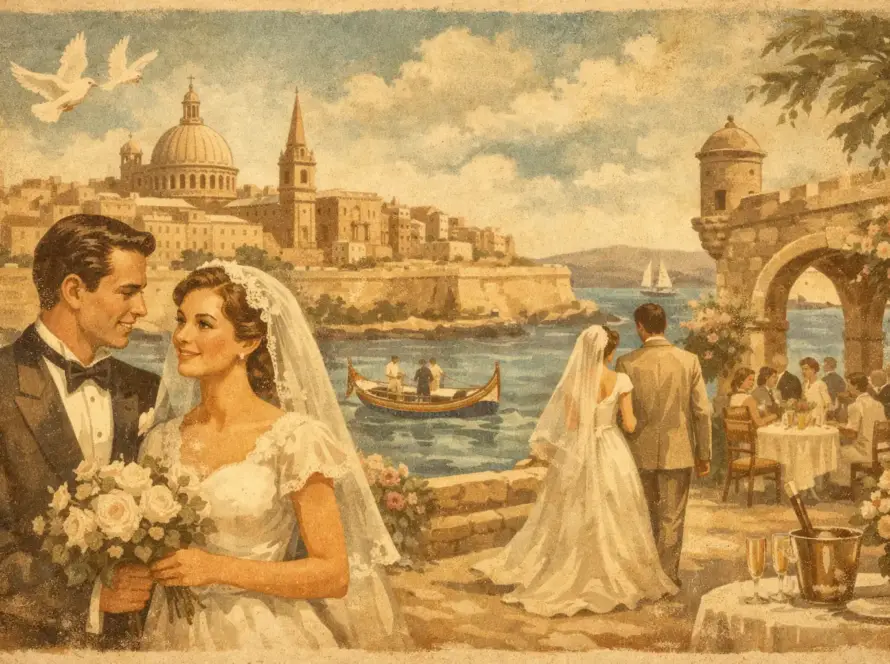
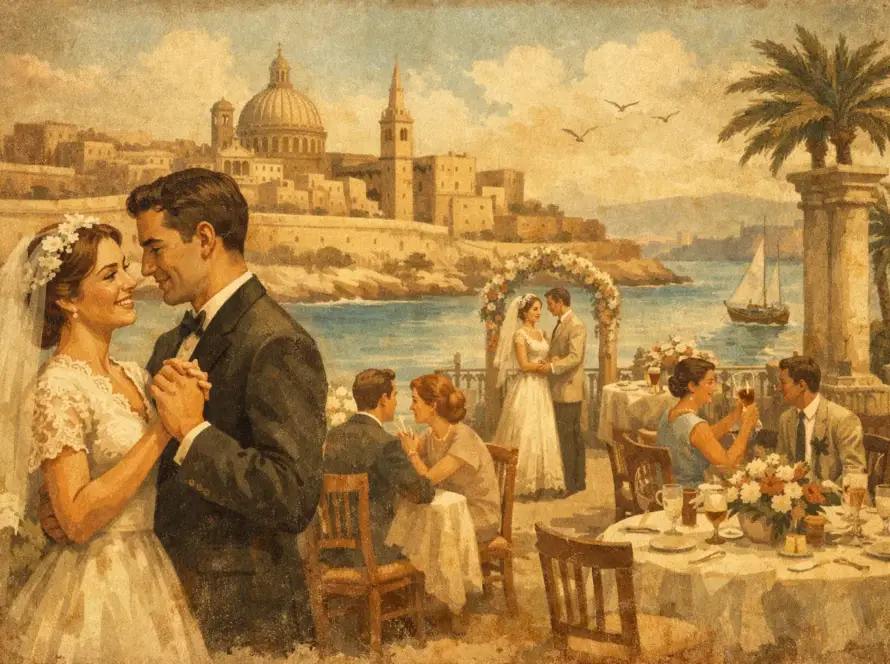
You may start with a vision of sunlit vows, dinner under the stars and every guest swept up in the magic of the day – then very quickly realise that turning that vision into a real wedding involves dozens of moving parts. If you have found yourself wondering what does wedding planner do, the short answer is this: a wedding planner takes your ideas, your priorities and your budget, then shapes them into a beautifully organised celebration that actually works.
That sounds simple, but the role is far more valuable than ticking items off a list. A good planner is part creative partner, part project manager, part problem-solver and part calm presence. For couples planning a destination wedding, especially in a place as sought-after as Malta, that support becomes even more meaningful.
What does a wedding planner do from the beginning?
At the start, a wedding planner helps you define the wedding before any decisions are made too quickly. Many couples know how they want their day to feel, but not yet what that means in practical terms. Elegant and intimate could point to a historic villa. Relaxed and stylish might suit a seaside terrace. Grand and romantic may call for a statement venue with room for a full evening celebration.
A planner helps translate taste into a clear concept. That includes your preferred style, guest experience, budget comfort zone, season, schedule and non-negotiables. This early stage matters more than most couples expect, because it prevents the planning process from becoming a string of expensive choices that do not quite belong together.
From there, your planner builds the framework. They create a realistic planning timeline, advise on budget allocation and map out what needs to happen first. Rather than reacting to endless decisions one by one, you move forward with a proper plan.
Venue search, style direction and the right setting
One of the biggest parts of the job is venue selection. This is not only about finding somewhere beautiful. It is about finding somewhere that fits the shape of your day.
A wedding planner looks at guest numbers, privacy, logistics, ceremony options, weather back-up plans, catering flow and the atmosphere you want to create. In destination weddings, local knowledge is especially important. A venue may look stunning in photographs but present complications with access, timings, noise restrictions or supplier rules. A planner usually knows which venues consistently deliver a wonderful experience and which ones may not suit your priorities.
They also guide the visual direction of the wedding. That does not mean imposing a style. It means taking your ideas and refining them so the celebration feels thoughtful and cohesive. Flowers, tablescapes, stationery, lighting and layout all need to work together. The most elegant weddings are rarely the ones with the most detail. They are the ones where every detail feels considered.
Budget management without losing the romance
Budget conversations are not the most glamorous part of wedding planning, but they are one of the most important. A planner helps you understand what your budget can realistically achieve and where it will have the strongest impact.
This guidance can save couples from common mistakes, such as spending heavily on one area too early and then compromising on essentials later. If your priority is an unforgettable guest experience, your planner may advise you to invest more in the setting, food, flow of the evening and entertainment, and less in elements that are lovely but not central to the day.
There is always some balance involved. A larger guest list may affect your venue options. A premium floral design may require movement elsewhere in the budget. The planner’s role is not to say no to your ideas, but to help you make choices that protect the overall quality of the wedding.
Supplier sourcing and professional coordination
A wedding planner also researches, recommends and manages your suppliers. That often includes photographers, florists, caterers, musicians, celebrants, stylists, transport providers, hair and make-up artists, cake designers and hire companies.
This matters because great suppliers do more than provide a service. They shape the pace, mood and finish of your day. A planner knows how to match couples with professionals whose work and working style genuinely fit. They also handle communication, quotations, scheduling and practical details, so you are not left chasing replies across time zones or trying to compare offers without context.
For destination weddings, this support is especially reassuring. It is difficult to judge a supplier from abroad based on images alone. Local expertise gives couples confidence that the people behind the scenes are trusted, experienced and suited to the standard of wedding they want.
What does a wedding planner do in the months before the wedding?
As the date gets closer, the planner becomes the central point of coordination. They confirm bookings, track payments, refine timings, review layouts, finalise supplier arrivals and make sure each decision flows into the next.
They are also often the person noticing what has been missed. Has transport been arranged for guests between the ceremony and reception? Is there enough time for portraits before sunset? Who is responsible for placing welcome bags, favours or place cards? If the ceremony is outdoors, what is the rain plan and how quickly can it be activated?
This part of the role is less visible than venue visits or design choices, but it is what prevents the day from feeling disjointed. Weddings are made up of many small handovers. A planner keeps those handovers smooth.
Legal paperwork and destination details
For couples marrying abroad, one of the most valuable parts of planning is help with legal requirements. Every destination has its own process, and Malta is no exception. Depending on where you live, your nationality, whether you are having a civil or symbolic ceremony, and which documents are needed, the paperwork can feel far more complex than expected.
A planner can guide you through the process, explain what is required and help ensure deadlines are met. That does not remove the need for couples to provide accurate documents, of course, but it does remove much of the uncertainty.
This is one area where destination-specific experience makes a real difference. Local knowledge is not only about knowing the prettiest ceremony backdrops. It is also about knowing how the official side works, what to prepare and how to avoid stressful last-minute issues.
On-the-day management so you can be present
Perhaps the clearest answer to what does wedding planner do is this: they make sure you are free to be the couple on your wedding day, not the people running it.
On the day itself, a planner oversees the timeline, supplier setup, ceremony readiness, guest flow and all the details that need careful attention. They check that the tables are styled correctly, the flowers are in place, the music starts on time and everyone knows where they need to be.
If something changes, and something often does, they manage it quietly. A delayed bouquet delivery, a transport hold-up, a sudden shift in weather, a missing buttonhole, a supplier question during dinner service – these issues are rarely visible to guests when a planner is in control. That calm management is part of what allows the celebration to feel effortless.
The value here is not only practical. It is emotional. Without a planner, couples often spend parts of the day answering questions, solving problems or checking whether things are happening as planned. With a trusted professional leading the event, you have the freedom to enjoy your vows, your guests and the atmosphere you have spent months creating.
Is a wedding planner worth it?
For some smaller local weddings, couples may choose to handle much of the planning themselves and bring in coordination support later. That can work well if the logistics are simple, the supplier list is short and you have the time and confidence to manage details personally.
But when the wedding involves travel, unfamiliar venues, legal requirements, multiple suppliers and a strong design vision, a planner is often the difference between a stressful process and a joyful one. They are not there to take over the wedding. They are there to protect it.
That is especially true for couples planning from abroad. If your heart is set on Malta, working with a specialist such as Dream Days means you are not relying on guesswork. You are working with someone who understands the island, the venues, the practicalities and how to shape a beautiful and spectacular event with care.
A wedding planner does many things, but perhaps the most meaningful is this: they hold the details so you can hold on to the moment. And when your wedding day arrives, that peace of mind may be the loveliest luxury of all.