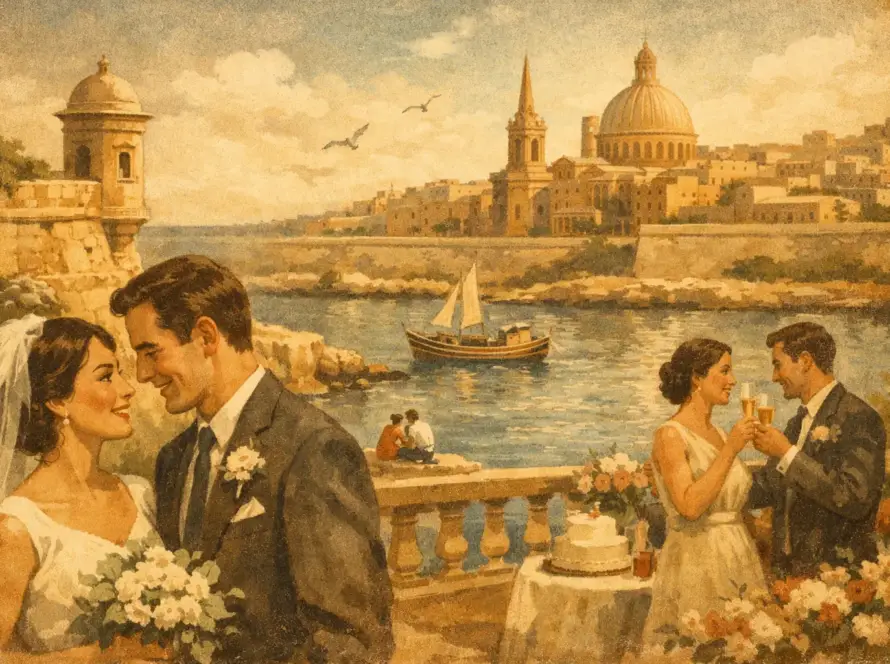
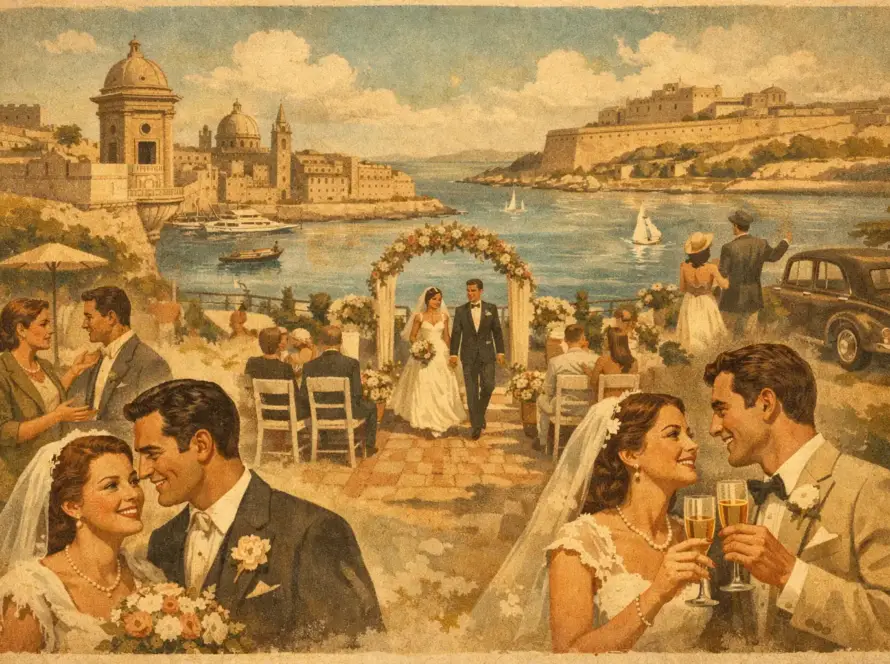
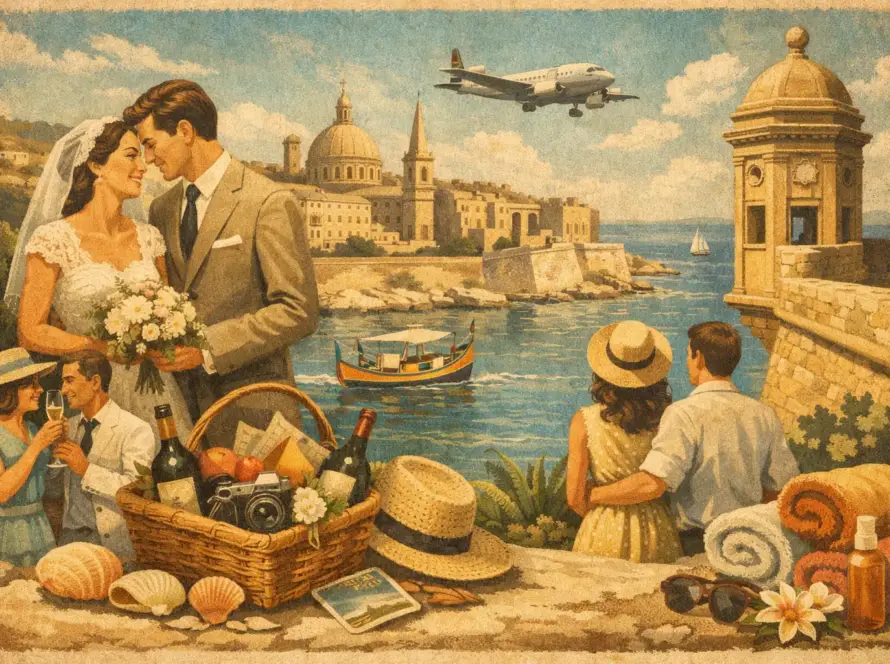
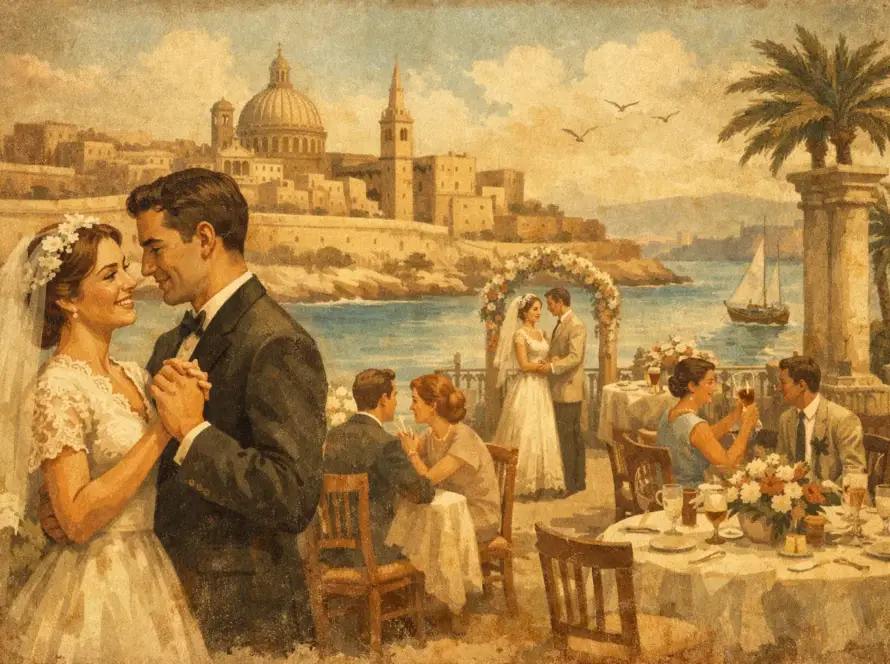
If you want to marry in Malta, the appeal is easy to understand. One moment you are picturing honey-coloured stone, sea views and candlelit courtyards, and the next you are trying to work out legal documents, supplier timelines and how to host guests on an island you may not know well. That contrast is exactly why Malta works so beautifully for destination weddings – and why planning it properly matters.
Malta offers something many wedding destinations struggle to balance. It feels romantic and visually rich, yet it is also practical. English is widely spoken, the island is well connected, and the variety of venues is remarkable for such a compact location. You can choose a historic palazzo, a cliffside setting, a luxury hotel, a private garden or a stylish seaside terrace, all within manageable travelling distance.
Why couples choose to marry in Malta
For international couples, Malta has a rare kind of versatility. It can feel intimate and relaxed for a smaller celebration, but it can also deliver the scale and elegance needed for a larger event. The architecture is timeless, the light is beautiful for photography, and the island has a natural sense of occasion that suits weddings perfectly.
There is also a practical side to the romance. Guests are often delighted by the idea of a wedding that feels like a holiday, especially when travel between ceremony, reception and accommodation is relatively straightforward. That makes the experience easier for everyone, from close family members to friends flying in from different countries.
The other reason couples are drawn here is that Malta does not force one wedding style. If your vision is classic and formal, it suits that. If you prefer understated luxury or a modern celebration by the sea, it suits that too. The setting is strong enough to feel special without overwhelming the personality of the couple.
What planning a Malta wedding really involves
A destination wedding should feel joyful, not like a second full-time job. Yet this is where many couples discover the difference between loving the idea of Malta and actually bringing the event together.
Planning from abroad means decisions need to be made with clarity and confidence. Venue selection alone is not simply a matter of choosing what looks beautiful in photographs. You need to think about guest numbers, transport, weather plans, timings, sound restrictions, accessibility and how the day will flow from one space to another. A venue may be stunning at sunset, for example, but less practical if your guests are spread across different parts of the island or if there is limited cover in warmer months.
Suppliers are another important piece. Floristry, styling, catering, entertainment, photography and transport all need to work as part of one coherent plan. This is where local knowledge makes a real difference. The best choices are not always the most obvious ones, and a supplier who is excellent for one type of wedding may be less suited to another.
Then there is the question many couples worry about most – the legal side.
Legal requirements to marry in Malta
If you plan to marry in Malta legally, paperwork must be handled carefully and in good time. Exact requirements can vary depending on nationality, residency, previous marital status and whether you are planning a civil or religious ceremony. That means assumptions can be risky.
In broad terms, couples usually need official documents to confirm identity and legal freedom to marry. These may need to be translated, certified or submitted within a certain timeframe. The process is entirely manageable, but it does need accuracy. A small administrative detail can create unnecessary stress if left too late.
For many international couples, this is the point where expert guidance becomes less of a luxury and more of a relief. Knowing what is required, when it must be filed and how it should be presented removes a great deal of uncertainty. It also allows you to focus on the parts of wedding planning that should feel exciting.
If you would rather keep the legal process separate, some couples choose to complete the legal marriage in their home country and hold a symbolic ceremony in Malta instead. That can offer greater flexibility, especially if the priority is the experience of the celebration rather than the formal registration itself. The right choice depends on your priorities, timeline and comfort with documentation.
Choosing the right time of year
Malta is attractive for weddings across much of the year, but timing affects more than temperature. It shapes the guest experience, the availability of venues and suppliers, and the overall atmosphere of the day.
Spring and early summer are especially popular because the weather is pleasant and the island feels vibrant without the intensity of peak summer heat. Late summer and early autumn can also be beautiful, particularly for couples who want warm evenings and a lively destination feel. Mid-summer weddings can be spectacular, but they need thoughtful scheduling. Earlier ceremonies, shaded spaces, refreshment planning and transport logistics become more important when temperatures rise.
Winter weddings in Malta can be elegant and atmospheric as well, particularly in historic venues. The light is softer, and there can be a more intimate feel. However, couples should be realistic about weather and the need for indoor options.
There is no single perfect month. The best time depends on your guest profile, preferred setting and how you imagine the day unfolding.
Finding a venue that matches your vision
The venue sets the emotional tone of the wedding, but it also determines many practical decisions behind the scenes. In Malta, this choice can be wonderfully broad.
Some couples are drawn to grand historic properties with formal courtyards and architectural detail. These venues offer a sense of occasion and pair beautifully with elegant styling. Others prefer sea-facing spaces where the landscape does more of the visual work and the overall mood feels relaxed but refined.
Private villas and boutique venues can be ideal for smaller weddings where privacy matters. Larger hotel venues may suit couples who want accommodation, catering and celebration spaces more closely connected. Neither is inherently better. It depends on whether you value exclusivity, convenience, flexibility or scale.
A good planning process translates your taste into a venue that also supports the logistics of the day. That is often the difference between a wedding that merely looks beautiful and one that feels effortless from beginning to end.
The value of having local support
When couples first imagine a destination wedding, they often think about inspiration boards, colour palettes and guest lists. Those details matter, but the true comfort comes from knowing someone is managing the moving parts with care.
Local support means more than recommendations. It means understanding how venues operate in practice, which suppliers are dependable, how long travel between locations really takes, and how to create a realistic timeline that still feels relaxed. It also means having someone nearby who can handle questions, confirm arrangements and solve issues before they reach you.
That is particularly valuable when you are planning from the US or another overseas market. Time zones, unfamiliar regulations and limited opportunities for in-person visits can make even simple decisions feel heavier than they should. Working with a Malta specialist such as Dream Days gives couples the reassurance of both creative guidance and on-the-ground expertise, which is often what turns a complicated destination wedding into an enjoyable one.
Creating a wedding that feels personal
One of the loveliest things about Malta is that it supports individuality so well. The island has its own character, but there is still plenty of room to make the celebration feel entirely yours.
That may come through the styling, the menu, the music or the pace of the day. Some couples want a formal dinner under the stars. Others want a more relaxed evening with long tables, soft lighting and a sense of gathering rather than spectacle. There is no need to follow a formula.
The most memorable weddings tend to balance place and personality. They honour the beauty of Malta while still reflecting the couple at the centre of it. When planning is done thoughtfully, guests do not just remember the setting. They remember how the whole celebration felt.
If you are considering whether to marry in Malta, the answer often comes down to this: it offers beauty, warmth and extraordinary backdrops, but the real luxury is having the experience arranged with care. When the right support is in place, you are free to enjoy what brought you here in the first place – the excitement of beginning married life somewhere genuinely unforgettable.