A wedding weekend can feel magical for guests and slightly overwhelming for the couple planning it. That is usually the point where the question shifts from how to host a wedding to how to plan wedding weekend events that feel thoughtful, elegant and genuinely enjoyable from start to finish.
For destination weddings in particular, a weekend format makes perfect sense. Your guests have travelled, often internationally, and the celebration deserves more than a single evening. The beauty of a wedding weekend is that it creates space – space for connection, for a slower pace, and for those memorable moments that do not fit neatly into a five-hour reception. The secret is not filling every hour. It is shaping the weekend so it feels well hosted, never over-scheduled.
How to plan wedding weekend around one clear experience
The most successful wedding weekends begin with a simple question: what do you want guests to feel? Not just on the wedding day, but across the entire stay. Relaxed and sun-soaked? Formal and refined? Intimate and family-centred? Festive and social?
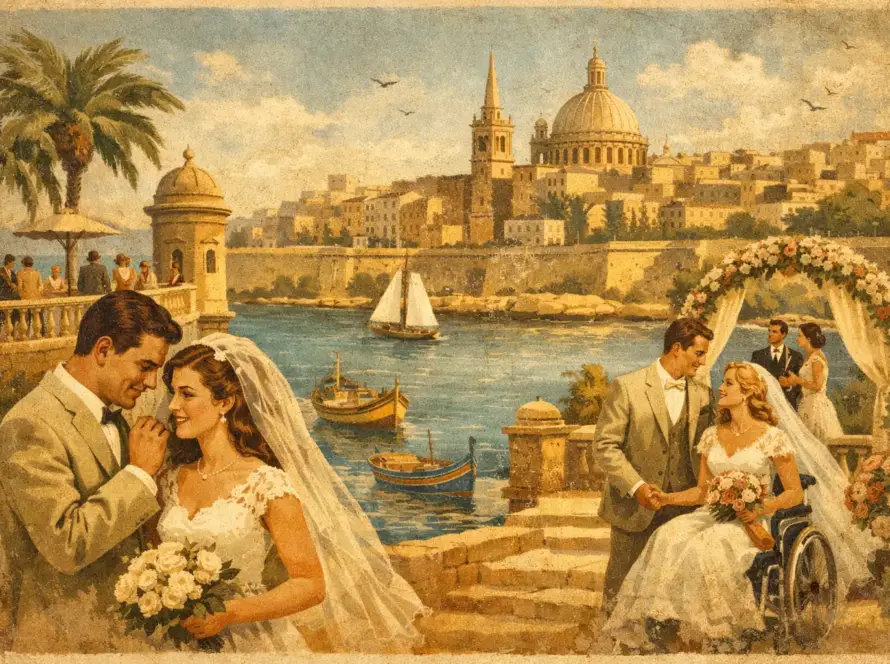
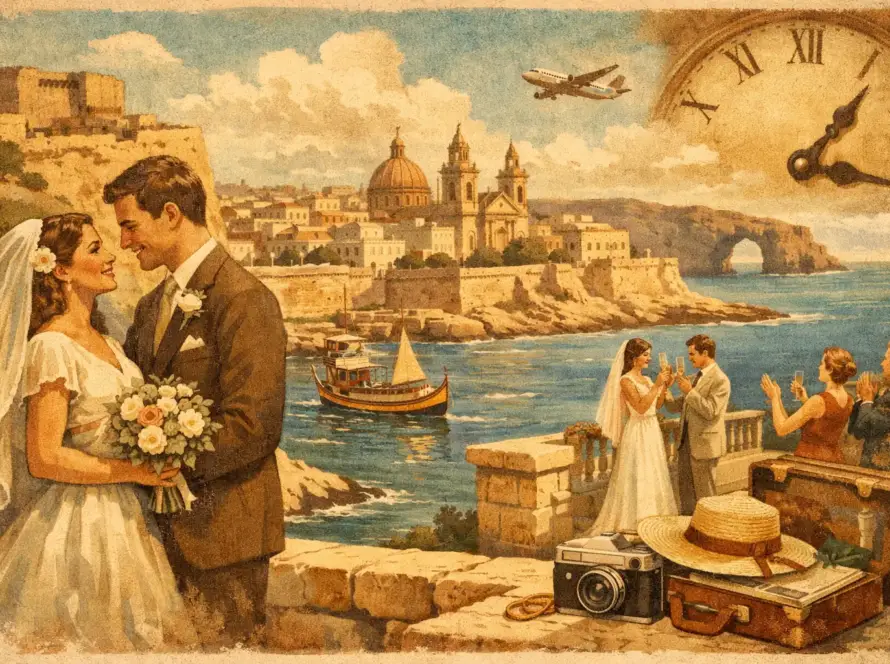
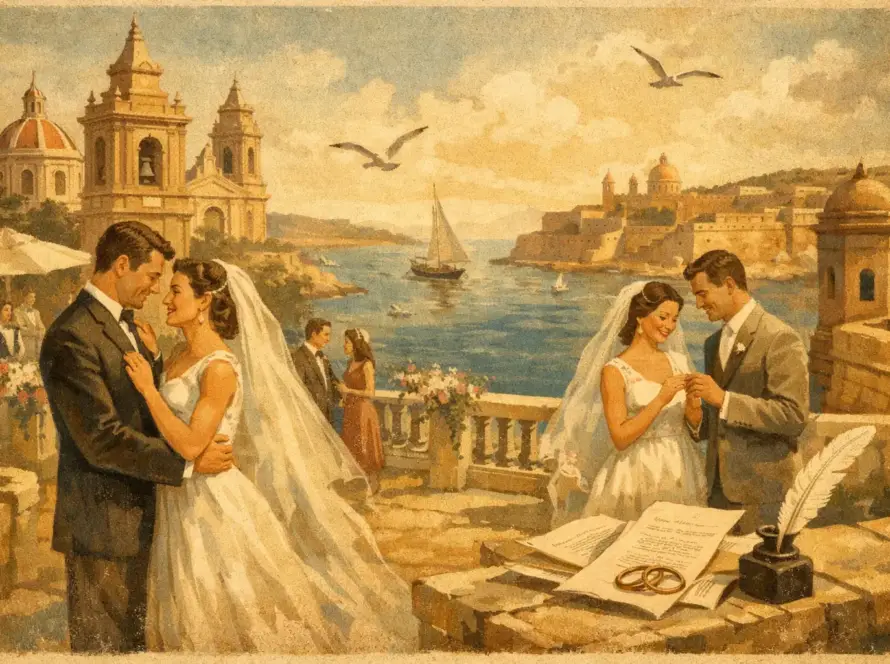
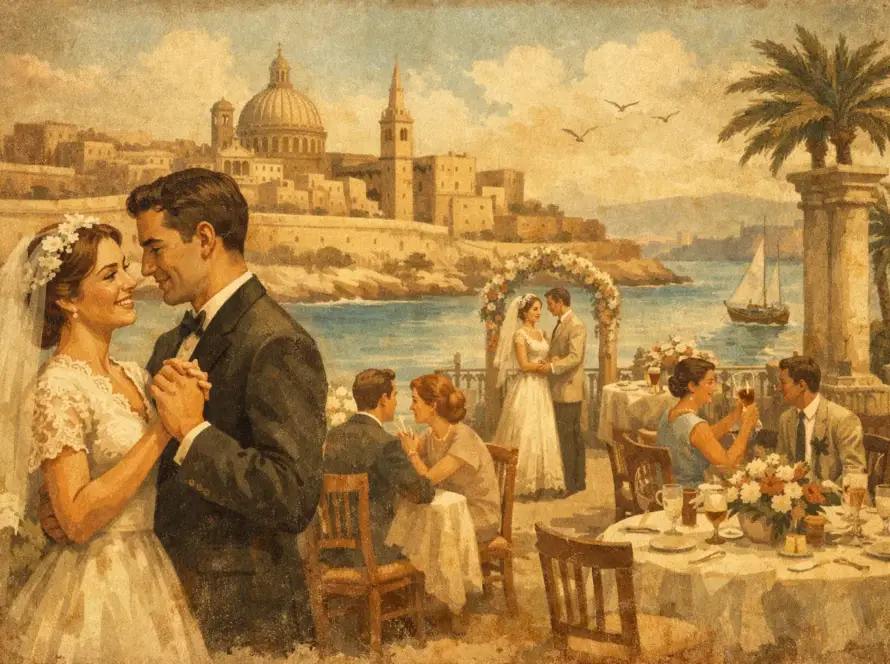
This matters because the weekend should feel like one experience, not a string of unrelated bookings. If you are marrying in Malta, for example, the setting naturally invites a celebration that blends elegance with warmth. A cliffside welcome dinner, a candlelit reception in a historic venue, and a farewell brunch by the sea all feel connected when the atmosphere is considered from the outset.
Once you have that emotional direction, planning decisions become easier. Venue choices, timings, dress codes and even transport begin to align. Without that clarity, couples often end up trying to do everything, which usually creates pressure rather than polish.
Start with the anchor events
Most wedding weekends are built around three core moments: a welcome event, the wedding day itself, and a farewell gathering. That structure works because it gives guests a natural rhythm without demanding constant attendance.
The welcome event sets the tone. It can be as relaxed as drinks and light bites or as styled as a full rehearsal dinner. For destination weddings, this first evening is often where people settle in, meet one another and feel part of the celebration. If many guests are arriving on different flights, keep the format forgiving. A four-hour seated dinner may sound lovely, but a more flexible cocktail-style gathering can be kinder after a long day of travelling.
The wedding day remains the centrepiece, so everything around it should support rather than compete with it. If your ceremony and reception are elaborate, it is wise to keep the events either side lighter. If the wedding itself is intentionally intimate, you may want to create a more generous social calendar around it.
The farewell gathering gives the weekend a graceful ending. Brunch is a favourite for good reason. It feels easy, sociable and unhurried. Equally, for smaller groups, a casual beach lunch or private boat outing may feel more personal. There is no rule that says every guest must attend every event. In fact, allowing some flexibility often improves the experience.
Decide what truly needs hosting
One of the most common mistakes is assuming the couple must arrange something for every spare moment. They do not. Guests also appreciate time to swim, explore, rest or enjoy their hotel.
A good wedding weekend usually includes hosted highlights and open time in between. You might provide recommendations for local restaurants, beaches or cultural spots without making them formal group activities. That balance is especially valuable in Malta, where the setting itself is part of the appeal.
Build the timeline before you book too much
Excitement can make every idea feel essential, but the timeline will tell you what is realistic. Before confirming venues, entertainment or extra experiences, map the full weekend hour by hour.
Start with guest arrivals and departures. Consider transfer times, hotel check-in, the climate, and how long it takes to move between locations. A schedule that looks elegant on paper can quickly become tiring if guests are changing venues too often in the heat or navigating unfamiliar roads in formalwear.
Then look at flow. If your welcome party runs late, an early ceremony the next morning may not feel kind. If your wedding reception finishes at 2 am, a farewell brunch at 10 am may be optimistic. A polished weekend feels paced. There is movement, but also room to breathe.
This is where destination knowledge becomes especially valuable. Local insight can save you from choosing venues that are individually beautiful but impractical together. It can also help you avoid seasonal issues, busy travel periods and timing clashes with local events.
Set a weekend budget, not just a wedding budget
When couples ask how to plan wedding weekend celebrations well, the answer often comes down to budgeting honestly from the beginning. A weekend wedding is not simply one wedding day plus a brunch. It involves multiple food and beverage points, transport, staffing, styling, stationery and often guest communication.
That does not mean every event must be lavish. It means each event should be intentional. You may decide to invest in a spectacular wedding day venue and keep the welcome evening simpler. Or you may host a beautiful dinner on the first night and choose a more relaxed farewell event.
There are always trade-offs. Guest count is usually the biggest one. A full weekend for 100 guests can quickly become expensive, particularly if you are covering transport or several hosted meals. Some couples choose to keep all guests included on the wedding day, then make the surrounding events smaller and more intimate. Others do the opposite and host casual wider gatherings with a more selective rehearsal dinner.
Clarity is more useful than excess. Guests remember how a weekend felt, not whether every table had towering florals.
Think like a host, not just a bride or groom
A beautiful wedding weekend is as much about guest comfort as it is about visual style. This is where thoughtful planning has a quiet but powerful effect.
Consider arrival information, transport instructions, event timings and dress guidance. If a venue has cobblestones, steps or sea views with strong wind, let guests know. If one event is outdoors, think about shade, water and practical comforts. If many guests are travelling from abroad, keep communications clear and kind.
Hosting also means understanding energy levels. Not every guest will want late-night dancing followed by an organised morning excursion. Older relatives, families with children and guests travelling long distances may all need the freedom to participate in different ways.
That is why the best wedding weekends feel curated rather than crowded. There is enough happening to feel celebratory, but not so much that guests need a spreadsheet to enjoy themselves.
Use design to create continuity
A wedding weekend does not need the same décor repeated across every event, but it should feel connected. The easiest way to achieve this is through a consistent visual language.
That might mean carrying through the same floral palette, stationery details, lighting style or mood rather than matching everything exactly. A citrus-toned welcome party, a refined neutral ceremony and a soft coastal brunch can still feel part of one story if the styling is cohesive.
In destination settings, it often works best when the design responds to place rather than fighting it. Malta offers honey-stone architecture, sparkling sea views and a naturally romantic Mediterranean palette. Weddings tend to feel most elegant when they embrace that sense of place rather than layering on something disconnected from the surroundings.
For couples planning from overseas, this is often where trusted local coordination makes a real difference. A planner such as Dream Days can shape the weekend as a whole, not simply manage individual bookings, so each event feels beautifully aligned and practically achievable.
How to plan wedding weekend details without losing the romance
Logistics matter, but they should never overshadow the reason for the celebration. It is easy to become so focused on transport schedules, room blocks and menu confirmations that the weekend starts to feel like an operation rather than a love story.
Protect a few private moments. A quiet breakfast together before guests arrive. Ten minutes alone after the ceremony. A slower morning after the wedding before the farewell gathering begins. These are often the memories couples treasure most.
The same principle applies to the guest experience. People do not remember only the schedule. They remember being welcomed warmly, sharing stories over dinner, watching the sunset after the ceremony and feeling part of something meaningful.
So if you are wondering how to plan wedding weekend celebrations beautifully, start with atmosphere, build around comfort, and make each decision serve the feeling you want to create. The most unforgettable weekends are rarely the busiest. They are the ones that feel generous, well considered and full of joy from the first arrival to the final goodbye.
When the planning is done with care, a wedding weekend becomes more than a sequence of events. It becomes a shared holiday, a celebration of your closest people, and the perfect beginning to married life.